
caro working groupClimate Action and Sustainability
-

About
-

The Basics
-

Resources
-

Share Your Work
Mandate
The Climate Action and Sustainability Working Group’s mission is to engage in the development of low carbon, low waste, climate resilient oncologic services. Members recognize that climate change is adversely impacting human health and that planetary health is intrinsically linked with the development of cancers and the delivery of cancer care. The group will work collaboratively with local, national and international groups to expand and incorporate themes related to sustainable healthcare in line with CARO’s missions.
Objectives:
Support the education of faculty and learners in planetary health science, encourage the evaluation of the ecologic impact and carbon footprint of health service delivery
Engage and educate patients with cancer, and the public, on the health related impacts of climate change as well as the carbon footprint of cancer care
Facilitate interdisciplinary collaboration to develop and implement interventions that reduce carbon emissions and waste without compromising quality of patient care
Collaborate with government, funding agencies, and non-governmental organisations to advance environmentally sustainable healthcare
Promote environmental justice principles to decrease health disparities and strategize methods to improve patient accessibility to radiotherapy and virtual care
About the Members
-
![]()
Dr Philip Wong
Co-Chair
Radiation Oncologist
Princess Margaret Cancer Centre
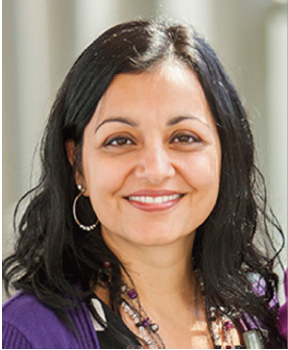
philip.wong4@uhn.caPhilip Wong is a Radiation Oncologist and Associate Professor at the Department of Radiation Oncology. He is based at the Princess Margaret Cancer Center. As the Associate Director Ambulatory Care for the Radiation Medicine Program, Philip is involved in the outpatient care of cancer patients, gaining insights into how our daily operations affect our carbon footprint. He is interested in assessing, developing and implementing pragmatic methods to enhance the environmental sustainability of our department while maintaining the highest standards of patient care. The field of radiation medicine, which involves direct patient interactions and advanced engineering technologies, encompasses the use of drugs, imaging machines, radiation treatment devices and artificial intelligence. Through these roles, he hopes to work within the Collaborative Centre to connect Radiation Oncology with other departments and specialists to achieve ecological responsibility.
-
![]()
Dr Shilo Lefresne
Co-Chair
Radiation Oncologist
BC Cancer, Vancouver
slefresne@bccancer.bc.caDr. Shilo Lefresne is a radiation oncologist at BC Cancer, Vancouver and Clinical Assistant Professor at the University of British Columbia. She specializes in the treatment of GI and thoracic malignancies and has a special interest in palliative care. In 2022 she co-founded the BC Cancer Planetary Health Unit which aims to promote engagement in the transition to low carbon, low waste health care services. In 2024, she earned a certificate in Carbon Footprinting for Health Care from the Centre for Sustainable Healthcare. As co-chair of the CARO Climate Action and Sustainability Working Group she hopes to educate peers on the health and oncologic impacts of climate change and decrease the ecologic impact of radiotherapy services through a trans-disciplinary approach.
-
![]()
Dr. Zahra Kassam
Working Group Member
Radiation Oncologist
Stronach Regional Cancer Centre
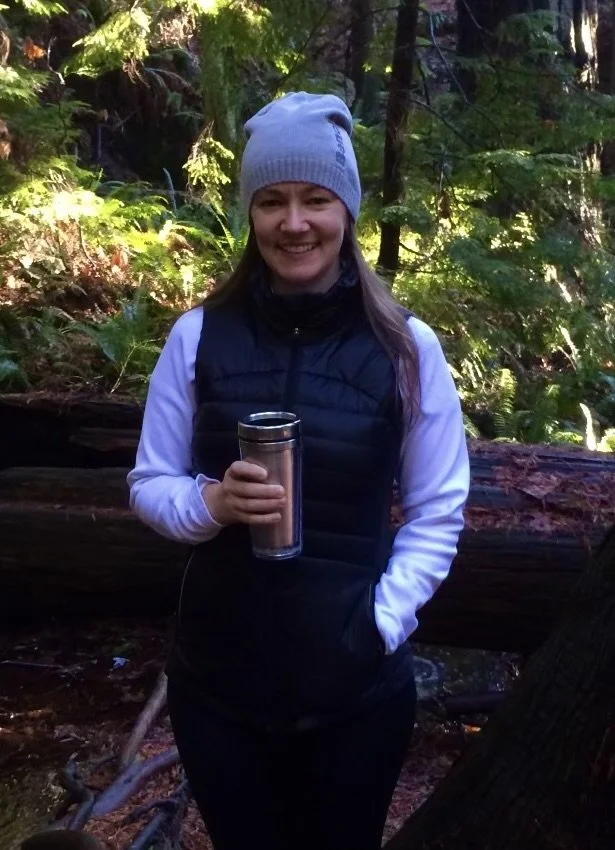
zkassam@southlake.caDr. Zahra Kassam is a Radiation Oncologist at the Stronach Regional Cancer Centre in Newmarket, Ontario, and an Assistant Professor in the Department of Radiation Oncology at the University of Toronto. She is certified in Lifestyle Medicine by the American Board of Lifestyle Medicine. Dr. Kassam is founder and director of the non-profit organization Plant-Based Canada (www.plantbasedcanada.org), which is dedicated to providing education on whole food plant-based nutrition that is sustainable, healthy, and promotes the well-being of the planet and all its inhabitants. She is the co-author of Eating Plant-Based: Scientific Answers to Your Nutrition Questions, written with her sister Shireen, and co-editor of the academic textbook Plant-Based Nutrition in Clinical Practice.
-
![]()
Dr Adam Gabara
Working Group Member
Radiation Oncology Resident
McMaster University
adam.gabara@medportal.caAdam Gabara is a radiation oncology resident at McMaster University. He completed his medical degree at Queen’s University. He is committed to promoting sustainability in healthcare and has been instrumental in the development of Sustainable, Socially Responsible Healthcare: A Toolkit for Radiotherapy Professionals. Outside of his professional pursuits, Adam is passionate about staying active and enjoys hiking, cycling, and exploring a variety of physical activities, including his latest interest—rock climbing. An avid outdoor enthusiast, he values connecting with nature. This appreciation for the environment has inspired his advocacy for sustainability within the field of radiation oncology, a cause he is dedicated to championing throughout his career.
-
![]()
Dr Kristopher Dennis
Working Group Member
Radiation Oncologist
The Ottawa Hospital
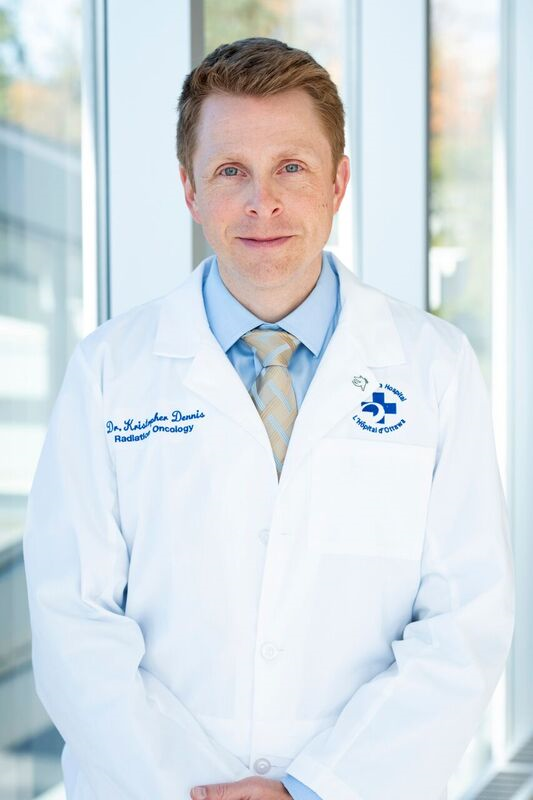
krdennis@toh.caDr. Kristopher Dennis is an Associate Professor in the Division of Radiation Oncology at the University of Ottawa, and a radiation oncologist in the Radiation Medicine Program at The Ottawa Hospital where he is Co-Chair of the gastrointestinal and palliative site groups. His research interests include palliative radiotherapy, symptom control and gastrointestinal malignancies. More broadly, Dr. Dennis is Chair of the Supportive Care Committee of the Canadian Association of Radiation Oncology (CARO), Chair of the Canadian Palliative Radiation Oncology Group (CPROG), a member of the Canadian Cancer Trials Group (CCTG) Supportive Care Executive Committee, and a member of the Palliative Track Annual Education Committee of the American Society for Radiation Oncology (ASTRO).
-
![]()
Dr Joanne Alfieri
Working Group Member
Radiation Oncologist
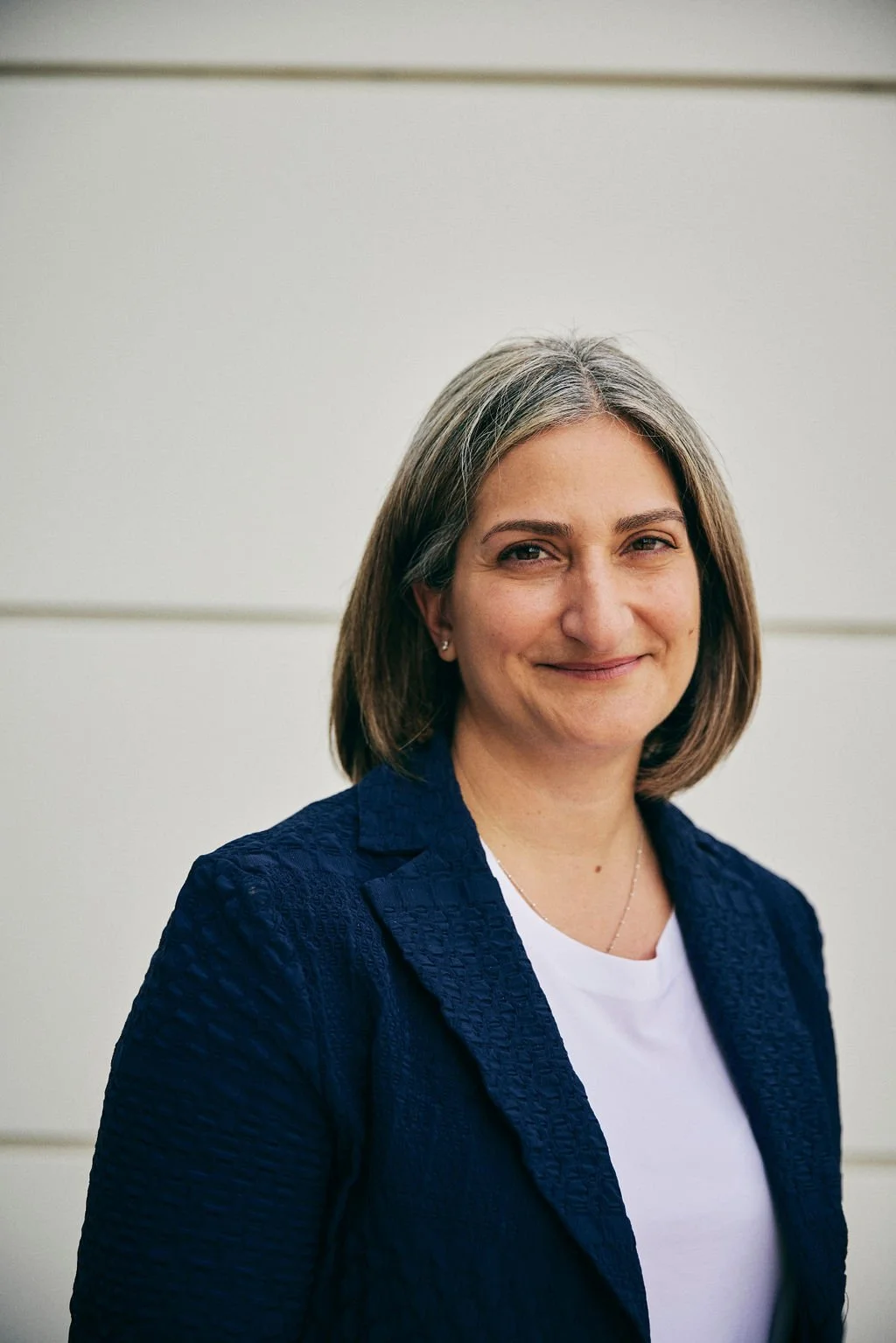
McGill UniversityJoanne Alfieri is Associate Professor & Associate Chair (Education) in the Department of Oncology, McGill University. She is a radiation oncologist who specializes in the treatment of gynaecological and gastrointestinal malignancies at the McGill University Health Centre. She completed a fellowship in Gynaecology Oncology and MRI-guided Brachytherapy at the Peter MacCallum Cancer Centre in Melbourne, Australia and also earned her Masters in Medical Education at the University of Dundee, Scotland. She is currently the Assistant dean, PGME Curricula at McGill University.
Dr. Alfieri is the lead for the gynecological site group as well as the brachytherapy lead for the MUHC. She is a member of the ESTRO Green Network and is contributing to a multi-centre brachytherapy audit exploring how to decrease the carbon footprint of brachytherapy.
-
![]()
Daria C. Comsa, PhD, MCCPM
Working Group Member
Medical Physicist
Stronach Regional Cancer Centre
Southlake Regional Health Centre
dcomsa@southlake.caDaria is a medical physicist at the Stronach Regional Cancer Centre, Southlake Regional Health Centre, in Newmarket, Canada. She completed a PhD in medical physics at McMaster University in Hamilton, ON followed by a clinical residency in radiation therapy at University of Toronto/Princess Margaret Hospital. She has been working as a medical physicist at the Southlake Regional Health Centre since 2010 where she currently leads the quality assurance and imaging portfolios in the Radiation Physics department. She is the physics lead for the image-guided radiation therapy (IGRT) group and co-lead of the thorax site group at SRCC.
Daria is a member of the newly formed Sustainability and Planetary Health Working Group at the Stronach Regional Cancer Centre, where she collaborates with like-minded colleagues to integrate sustainability into everyday professional and personal decision-making.
-
![]()
Dr Conrad Bayley
Working Group Member
Radiation Oncology Resident
Arthur J.E. Child Cancer Centre in CalgaryConrad Bayley is a Radiation Oncology PGY-3 at the Arthur J.E. Child Cancer Centre in Calgary, Alberta. He obtained his Bachelor of Science in Pharmacology, Physiology, and Immunology at the University of British Columbia in 2018. He then completed his Medical Doctorate at the University of Alberta before matching to the Radiation of Oncology residency program at the University of Calgary.
Conrad’s academic interests include artificial intelligence, education, brachytherapy, and system optimization. He is engaged in improving healthcare and socioeconomic disparities and has led, been involved in, and co-created charities committed to Neurodegenerative diseases, Men’s Health, and access to education for underprivileged children, respectively.
Conrad’s personal interests include skiing, hiking, and rock climbing, among many other outdoor pursuits. He is passionate about nature and believes that the balance of ecosystems should be a model for sustainable practice in the built world and healthcare system, and hopes to contribute to the implementation of sustainable changes.
-
![]()
Dr David Palma
Working Group Member
Radiation Oncologist
Western UniversityDr. David Palma, MD, PhD is a Professor and Radiation Oncologist at Western University in London, Canada. He holds an MD from the University of Western Ontario, a Master’s Degree in Epidemiology from the Harvard School of Public Health, and a PhD from the VU University in Amsterdam. He has led several randomized trials in radiation oncology, focusing on oligometastases, lung cancer, and head and neck cancer. He is the founding chair of the Canadian Pulmonary Radiotherapy Investigators (CAPRI) group, which runs pan-Canadian pragmatic radiation therapy trials, and he is the author of the bestselling book Taking Charge of Cancer: What You Need to Know to Get the Best Treatment.
-
![]()
Natalie Rozanec, MSc., APRT(T), MRT(T)
Working Group Member
Radiation Therapist
Stronach Regional Cancer Centre
Southlake Regional Health Centre
natalie.rozanec@gmail.comNatalie Rozanec is the manager of Radiation Therapy, Cancer Strategy and Operations, and Oncology Clinical Informatics at the Stronach Regional Cancer Centre, Southlake Regional Health Centre, in Newmarket, Canada. Natalie graduated from the Medical Radiation Sciences Program at the University of Toronto/Michener Institute in 2009. She has been working at the Southlake Regional Health Centre since 2010, both as a radiation therapist and clinical trials coordinator. In 2012, Natalie transitioned to Advanced Practice Radiation Therapy where she worked for 11 years, focusing on palliative radiotherapy and improving access to care. She went on to complete her MSc. Advanced Practice (Radiotherapy and Oncology) from Sheffield Hallam University in 2018 and APRT(T) certification with the CAMRT in 2019.
Natalie is a Lecturer at the University of Toronto Department of Radiation Oncology. Her research interests involve improving the patient experience, exploring different interdisciplinary models of care, improving global access to radiation therapy, and health care sustainability. She has co-authored several peer reviewed papers and presented widely on advanced practice radiation therapy, palliation, and global challenges with respect to accessing radiation therapy treatment. She is also involved in several leadership initiatives locally, provincially, nationally, and internationally and is the current co-chair of the APRT International Community of Practice.
-
![]()
Dr Natalie Logie
Radiation Oncologist
-
![]()
Join us!
Get Involved!
(What/who we are currently looking for)




The Basics
What is Planetary Health?
Planetary Health, as described by Whitmee et al,“is the health of human civilization and the state of the natural systems on which it depends” (1). The concept was first articulated by The Rockefeller Foundation Lancet Commission on Planetary Health and underscores that human health, well-being and equity are intrinsically linked to the health of the planet. It also highlights the detrimental impact of some human activities, such as contributions to climate change, loss of biodiversity and pollution (2). The study of planetary health is a transdisciplinary effort that integrates multiple fields including biology, meteorology, chemistry, economics, politics, among others to develop solutions for mitigating humanity's impact on Earth’s natural systems and resources (3).
What is Sustainable Health Care?
Healthcare contributes approximately 5% to global greenhouse gas (GHG) emissions (GHGs), higher than the airline industry (4,5). If health care were a country, it would be the 5th highest emitter in the world (6). Sustainable health care is, as defined by the WHO “a health system that improves, maintains or restores health, while minimizing negative impacts on the environment and leveraging opportunities to restore and improve it, to the benefit of the health and well-being of current and future generations” (5).
Globally, the NHS has become a leader in developing sustainable health systems with a goal of achieving net zero by 2040, with 80% reduction by 2028-2032 (7). Within Canada, the Canadian Medical Association, the Royal College of Canadian Physicians and Surgeons of Canada, and even independent post-graduate medical education offices have introduced professional development credits towards courses in introducing sustainable healthcare to physicians (8, 9). The Canadian Federations of Medical Students has established the Health and Environment Adaptive Response Task Force (HEART) which developed a planetary health curriculum and the Royal College is aiming to amend CanMEDS competencies to include planetary health (10).
Multiple organizations across a diverse group of medical specialities have developed tools for clinicians to create environmentally sustainable practices. Ex. CASCADES, Canadian Coalition for Green Health Care, Choosing Wisely. This includes our Sustainable, Socially Responsible Health Care Toolkit for Radiation Medicine Professionals. Furthermore, Health Standards Organizations and Accreditation Canada have also announced commitments to supporting low carbon, climate resilient, and sustainable healthcare, demonstrating that these issues are and will continue to be an integral part of healthcare (11).
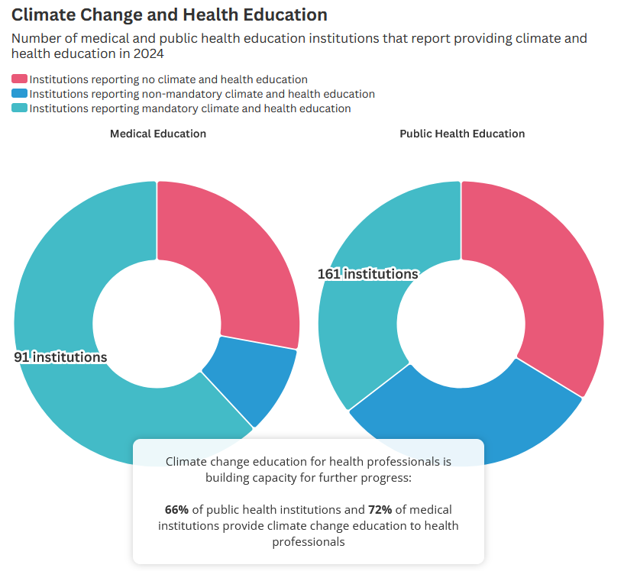
Bidirectional Relationship Between Cancer, Oncology Services, and Planetary Health
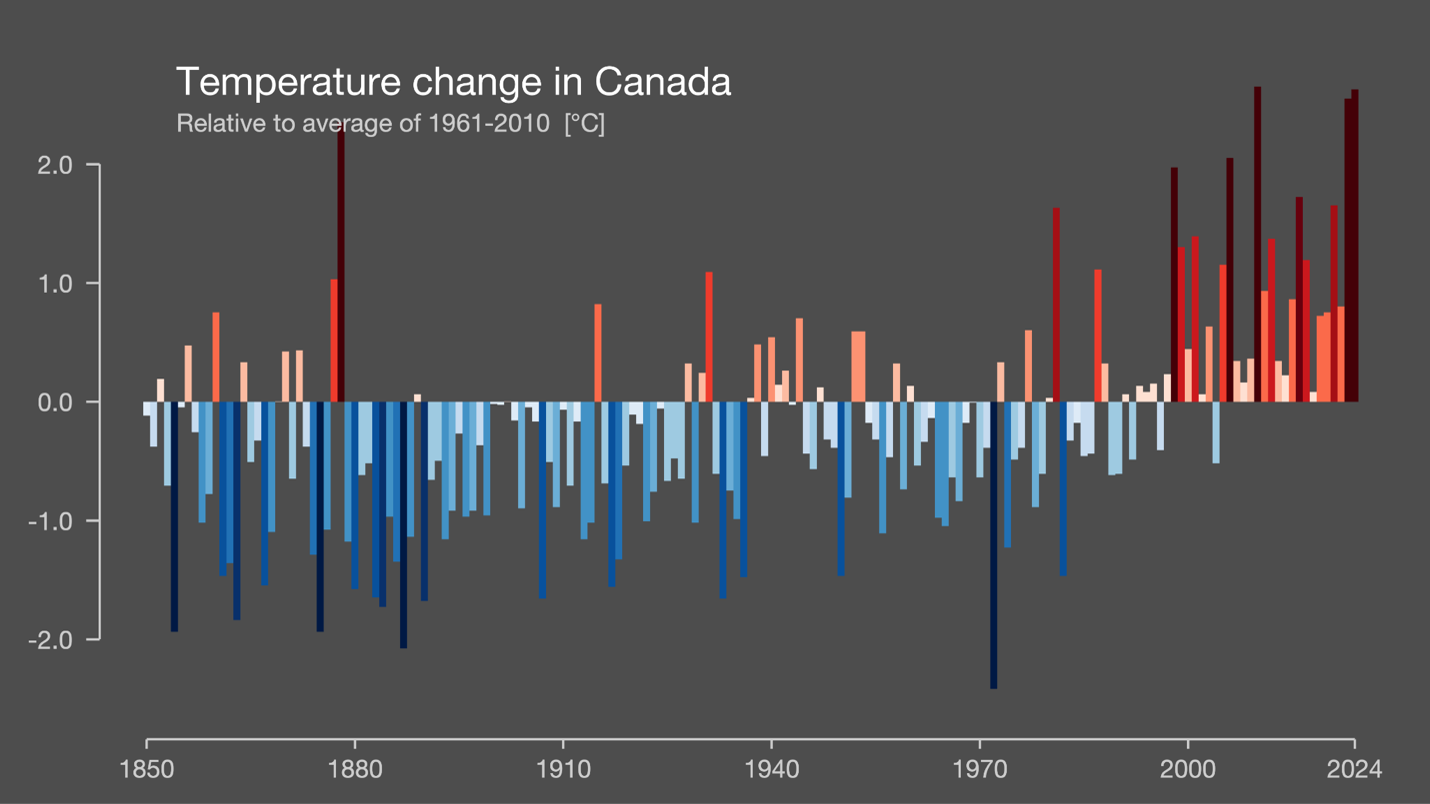
Cancer and oncology services share a bidirectional relationship with planetary health. Climate change and environmental exposures increase cancer risk, through greater exposure to air pollution, heat, ultraviolet radiation, and carcinogens, while the delivery of cancer care contributes to GHGs through energy-intensive infrastructure, patient travel, and resource-intensive workflows. In parallel, the complex delivery of oncology care is vulnerable to climate-related disruptions that threaten continuity of treatment. This interdependence highlights the need for sustainable and resilient cancer care systems.
Carbon Footprint of Radiotherapy
Since approximately 2015 there has been an increase in the literature with efforts to measure the emissions associated with radiotherapy and proposals to improve sustainability while continuing to deliver high quality, personalized care. To date, among the daily operational elements, patient travel for medical visits and radiotherapy treatment, brachytherapy, and digital data storage have been identified as hot spots for GHGs. (5, 12,13). While the embodied carbon of radiotherapy infrastructure (such as LINACs) is high, environmental efficiency improves with higher patient throughput (14).Many opportunities exist to decrease the carbon footprint of radiotherapy. For example, hypofractionation not only shortens treatment time and cost for patients and healthcare organizations, it also decreases patient travel and subsequent carbon emissions. Lichter et al identified an approximate 70% decrease in emissions with 5 fraction treatments relative to conventional fractionations for breast and GU disease sites (15). Using telehealth when clinically appropriate is another effective mechanism to decrease carbon emissions associated with patient travel (16), a recommendation endorsed by Choosing Wisely Canada. Auditing brachytherapy workflows is also an ideal target for departments to decrease their ecologic impact as operating rooms generate a disproportionate amount of emissions and waste compared to the rest of the hospital due to the significant energy requirements of HVAC systems, the extensive use of single-use plastics, and the GHG effects of various anesthetic gases (17).
For additional details on strategies for reducing emissions within radiation therapy programs, we recommend the CARO Radiation Therapy toolkit and the Choosing Wisely Canada guidelines.
Please monitor our website for future updates. Should you wish to contribute or provide feedback, please contact our co-chairs, Shilo Lefresne or Philip Wong.
References:
Whitmee, S., Haines, A., Beyrer, C., Boltz, F., Capon, A.G., de Souza Dias, B.F., Ezeh, A., Frumkin, H., Gong, P., Head, P., Horton, R., Mace, G.M., Marten, R., Myers, S.S., Nishtar, S., Osofsky, S.A., Pattanayak, S.K., Pongsiri, M.J., Romanelli, C., Soucat, A., Vega, J., & Yach, D. Safeguarding human health in the Anthropocene epoch: report of The Rockefeller Foundation–Lancet Commission on planetary health. Lancet. 2023, 386(10007), 1973 - 2028. https://www.thelancet.com/journals/lancet/article/PIIS0140-6736(15)60901-1/fulltext
Horton, R., & Lo, S. Planetary health: a new science for exceptional action. The Lancet. 2015, 386 (10007), 1921 - 1922. https://www.thelancet.com/journals/lancet/article/PIIS0140-6736(15)61038-8/fulltext
Planetary Health Alliance. What is Planetary Health? Safeguarding human health on a rapidly changing planet. https://planetaryhealthalliance.org/what-is-planetary-health/. Accessed December 20, 2025
Kassam, Z., Gabara, A., Rozanec, N., Comsa, D., Lefresne, S., Wong, P., Sergeant, M., Kandasamy, S., Kaminski, J., Sypus, A., & Waddington, K. Sustainable, Socially Responsible Health Care: A Toolkit for Radiotherapy Professionals. Canadian Coalition for Green Health Care. 2024. https://greenhealthcare.ca/wp-content/uploads/2024/11/Radiotherapy-Toolkit-2024.pdf
Lightowlers, S., Raby, S., Chuter, R. A national framework for moving towards more environmentally sustainable radiotherapy: the green radiotherapy framework. Radiother. Oncol. 2025, 212, 11111. https://doi.org/10.1016/j.radonc.2025.111114
WHO Foundation. Five Fast Facts on Healthcare’s Climate Footprint. https://www.who.foundation/post/five-fast-facts-on-healthcares-climate-footprint. Accessed December 20, 2025
Probert, D., & Gormley, C. Progress report – delivering a greener NHS: five years on. 2025. https://www.england.nhs.uk/long-read/progress-report-delivering-a-greener-nhs-five-years-on/. Accessed December 20, 2025
https://cpd.royalcollege.ca/learn/courses/212/introduction-to-sustainable-health-systems. Accessed December 20, 2025
https://pgme.mcmaster.ca/discover/enhanced-training/sustainable-healthcare/. Accessed December 20, 2025
Canadian Federation of Medical Students. Health and Environment Adaptive Response Task Force. https://www.cfms.org/heart. Accessed December 20, 2025
.Thompson, L. Health Standards Organization’s Declaration on Climate Action. Health Standards Organization. https://healthstandards.org/about/health-standards-organizations-declaration-on-climate-action/. Accessed February 4, 2026
Volpe, S., Mastroleo, F., Vincini, M.G., Zaffraoni, M., Porazzi, A., DAmiani, E., Marvaso, G., & Jereczek-FOssa, B.A. Facing the climate change: Is radiotherapy as green as we would like? A systematic review. Crit Rev Oncol Hematol. 2024 204. doi: 10.1016/j.critrevonc.2024.104500.
Ali, D., Piffoux, M. Methodological guide for assessing the carbon footprint of external beam radiotherapy: A single-center study with quantified mitigation strategies. Clin Transl Radiat Oncol. 2024 46, 100768. doi: 10.1016/j.ctro.2024.100768.
Dupraz, C., Ducrot, C., Allignet, B., Delpon, G., Alexis, A., Lapierre, A., Supiot, S., Ali, D., & Piffoux, M. The carbon footprint of external beam radiotherapy and its impact in health technology assessment. Clin Transl Radiat Oncol. 2024, 48, 100834. https://doi.org/10.1016/j.ctro.2024.100834
Lichter, K. E., Charbonneau, B.A., Lewy, J.R., Bloom, J.R., Shenker, R., Sabbagh, A., CHino, J., Rodrigues, A., Hearn, J., Grover, S., Sheu, RD., Witztum, A., Qureshi, M.M., Yom, S.S., Anand, C., Thiel, C.L., & Mohamad, O. Quantification of the environmental impact of radiotherapy and associated secondary human health effects: a multi-institutional retrospective analysis and simulation. Lancet Oncol. 2024, 25 (6), 790-801.
Frick, M., Baniel, CC., Lichter, K., Bagshaw, HP. Travel-Related Environmental Impact of Telemedicine in a Radiation Oncology Clinic. Appl Rad Oncol. 2024;(1):23 - 29. doi:10.37549/ARO-D-23-00026
Duong, D. How Canadian Hospitals are Decreasing Carbon Emissions. CMAJ. 2023, 195 (16), E594
RESOURCES
-
Check out the link below to review recommendations to decrease low value care for patients with the co-benefit of decreasing the ecologic impact of health care delivery
Contributions from 27 specialties including a section with recommendations specific to oncology
-
Action items for radiotherapy professionals and departments to decrease waste and emissions in routine practice. Developed in collaboration with Canadian Coalition for Green Health Care, PEACH & Environment and Climate Change Canada
Endorsed by CARO, CAMRT and COMP
https://greenhealthcare.ca/wp-content/uploads/2025/05/Radiotherapy-Guidebook-EN-March-2025.pdf
-
Coming soon
-
Coming soon
-
Coming soon
-
Partnership for Environmental Action by Communities within Healthcare systems: https://peach.healthsci.mcmaster.ca/about/executive-team/
Pan-Canadian Network: Health System Response to Climate Change: https://cascadescanada.ca/resources/
ESTRO Climate Change Webinars: https://www.estro.org/Workshops/Climate-Change-Webinar
Canadian Coalition for Green Health Care: https://greenhealthcare.ca/?gad_source=1&gad_campaignid=20540353575&gbraid=0AAAAAqJPAjoUymiXKbI2-WsmPd_XNCD0V&gclid=CjwKCAjwhqfPBhBWEiwAZo196h5Cb0Tk8MjfgwfzJFEnMJajTiHk_YXegl49lRd_i-beeyTHhAx1YBoCXsgQAvD_BwE
Lancet Countdown: https://lancetcountdown.org/
Share Your Work
Share your completed projects.